

What's inside
What's inside
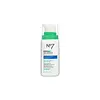 Key Ingredients
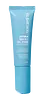
Benefits
Concerns
Ingredients Side-by-side
Water
Skin ConditioningDicaprylyl Carbonate
EmollientGlycerin
Humectant



Annona Cherimola Fruit Extract
Skin ConditioningSaccharide Isomerate
Humectant
Niacinamide
Smoothing







Propanediol
Solvent
Panthenol
Skin Conditioning
Sodium Polyacrylate
Absorbent
Trifolium Pratense Flower Extract
Astringent
Acrylates/C10-30 Alkyl Acrylate Crosspolymer
Emulsion StabilisingPhenoxyethanol
Preservative
Butylene Glycol
Humectant
Polysorbate 20
Emulsifying
Sodium Hyaluronate
Humectant
Caprylyl Glycol
Emollient
Sodium Benzoate
Masking
Sodium Lauroyl Lactylate
EmulsifyingBisabolol
Masking
Sodium Citrate
BufferingEthylhexylglycerin
Skin ConditioningTetrasodium EDTA

Panax Ginseng Root Extract
Emollient
Citric Acid
Buffering


Lecithin
Emollient
Ceramide NP
Skin Conditioning
Biphenyl Azepanyl Methanone
Skin ConditioningPhenylpropanol
Masking
Sodium Dehydroacetate
Preservative
Ceramide AP
Skin Conditioning
Phytosphingosine
Skin Conditioning
Cholesterol
Emollient
Carbomer
Emulsion StabilisingXanthan Gum
EmulsifyingTocopherol
Antioxidant

Biotin
AntiseborrhoeicCeramide EOP
Skin Conditioning
Water, Dicaprylyl Carbonate, Glycerin, Annona Cherimola Fruit Extract, Saccharide Isomerate, Niacinamide, Propanediol, Panthenol, Sodium Polyacrylate, Trifolium Pratense Flower Extract, Acrylates/C10-30 Alkyl Acrylate Crosspolymer, Phenoxyethanol, Butylene Glycol, Polysorbate 20, Sodium Hyaluronate, Caprylyl Glycol, Sodium Benzoate, Sodium Lauroyl Lactylate, Bisabolol, Sodium Citrate, Ethylhexylglycerin, Tetrasodium EDTA, Panax Ginseng Root Extract, Citric Acid, Lecithin, Ceramide NP, Biphenyl Azepanyl Methanone, Phenylpropanol, Sodium Dehydroacetate, Ceramide AP, Phytosphingosine, Cholesterol, Carbomer, Xanthan Gum, Tocopherol, Biotin, Ceramide EOP
Water
Skin ConditioningPanthenol
Skin Conditioning
Propylene Glycol
Humectant
Niacinamide
Smoothing
Saccharide Isomerate
Humectant
Salicylic Acid
Masking

Hamamelis Virginiana Leaf Extract
Skin Conditioning
Aloe Barbadensis Leaf Extract
Emollient
Centella Asiatica Leaf Extract
Skin Conditioning
Glycerin
Humectant
Butylene Glycol
Humectant
Pentylene Glycol
Skin ConditioningPotassium Thiocyanate
StabilisingLactoferrin
Skin ConditioningLactoperoxidase
StabilisingGlucose Oxidase
StabilisingGlucose Pentaacetate
Emulsion StabilisingPotassium Phosphate
BufferingDisodium Phosphate
BufferingRubus Idaeus Leaf Extract
Skin ConditioningRibes Nigrum Leaf Extract
Perfuming
Sorbic Acid
Preservative
Cinnamomum Cassia Bark Extract
Masking
Zingiber Officinale Root Extract
Masking
Sanguisorba Officinalis Root Extract
CleansingSodium Palmitoyl Proline
Skin ConditioningNymphaea Alba Flower Extract
Skin ConditioningDipropylene Glycol
HumectantPropanediol
Solvent
Polygonum Cuspidatum Root Extract
Antioxidant
Myristyl Alcohol
Emollient
PCA
Humectant
Acrylates/C10-30 Alkyl Acrylate Crosspolymer
Emulsion StabilisingGalactosyl Salicylate
AntiseborrhoeicEthylhexylglycerin
Skin ConditioningCapryloyl Salicylic Acid
Exfoliating
Asiaticoside
Antioxidant
Asiatic Acid
Skin ConditioningMadecassic Acid
Skin Conditioning
Disodium EDTA
Fructooligosaccharides
Humectant
Beta Vulgaris Root Extract
Skin ConditioningPotassium Lactate
BufferingLactic Acid
Buffering
Chlorella Vulgaris Extract
Skin Conditioning
Phenoxyethanol
Preservative
Zinc PCA
Humectant
Ceteareth-25
CleansingCetyl Alcohol
Emollient
Behenic Acid
Cleansing
Cholesterol
Emollient
Ceramide NP
Skin Conditioning
Ceramide Ns
Skin Conditioning
Ceramide Eos
Skin Conditioning
Ceramide EOP
Skin Conditioning
Ceramide AP
Skin Conditioning
Caprooyl Phytosphingosine
Skin Conditioning
Caprooyl Sphingosine
Skin ConditioningWater, Panthenol, Propylene Glycol, Niacinamide, Saccharide Isomerate, Salicylic Acid, Hamamelis Virginiana Leaf Extract, Aloe Barbadensis Leaf Extract, Centella Asiatica Leaf Extract, Glycerin, Butylene Glycol, Pentylene Glycol, Potassium Thiocyanate, Lactoferrin, Lactoperoxidase, Glucose Oxidase, Glucose Pentaacetate, Potassium Phosphate, Disodium Phosphate, Rubus Idaeus Leaf Extract, Ribes Nigrum Leaf Extract, Sorbic Acid, Cinnamomum Cassia Bark Extract, Zingiber Officinale Root Extract, Sanguisorba Officinalis Root Extract, Sodium Palmitoyl Proline, Nymphaea Alba Flower Extract, Dipropylene Glycol, Propanediol, Polygonum Cuspidatum Root Extract, Myristyl Alcohol, PCA, Acrylates/C10-30 Alkyl Acrylate Crosspolymer, Galactosyl Salicylate, Ethylhexylglycerin, Capryloyl Salicylic Acid, Asiaticoside, Asiatic Acid, Madecassic Acid, Disodium EDTA, Fructooligosaccharides, Beta Vulgaris Root Extract, Potassium Lactate, Lactic Acid, Chlorella Vulgaris Extract, Phenoxyethanol, Zinc PCA, Ceteareth-25, Cetyl Alcohol, Behenic Acid, Cholesterol, Ceramide NP, Ceramide Ns, Ceramide Eos, Ceramide EOP, Ceramide AP, Caprooyl Phytosphingosine, Caprooyl Sphingosine
Reviews
Ingredients Explained
These ingredients are found in both products.
Ingredients higher up in an ingredient list are typically present in a larger amount.
Acrylates/C10-30 Alkyl Acrylate Crosspolymer is a synthetic polymer. It is used to thicken and improve the texture of products. Due to its properties, it can prevent water and oil ingredients from separating.
Butylene Glycol (or BG) is used within cosmetic products for a few different reasons:
Overall, Butylene Glycol is a safe and well-rounded ingredient that works well with other ingredients.
Though this ingredient works well with most skin types, some people with sensitive skin may experience a reaction such as allergic rashes, closed comedones, or itchiness.
Learn more about Butylene GlycolCeramide AP is formally known as Ceramide 6.
Ceramides are intercellular lipids naturally found in our skin that bonds dead skin cells together to create a barrier. Having a strong skin barrier leads to more firm and hydrated skin.
They are known for their ability to hold water and thus are a great ingredient for dry skin. By bolstering the skin ceramides act as a barrier against irritating ingredients. This can help with inflammation as well.
If you would like to eat ceramides, sweet potatoes contain a small amount.
Read more about other common types of ceramides here:
Ceramide NP
Ceramide EOP
Ceramide EOP is formally known as Ceramide 1 and Ceramide 1 A.
EOP stands for a linked Ester fatty acid, a linked Omega hydroxy fatty acid, and the Phytosphingosine base.
Ceramides are intercellular lipids naturally found in our skin. They bind dead skin cells together to create a barrier. The ceramides in our skin have the ability to hold water to keep our skin hydrated.
Ceramides are an important building block for our skin barrier. A strong skin barrier helps with:
If you would like to eat ceramides, sweet potatoes contain a small amount.
Read more about other common types of ceramides here:
Learn more about Ceramide EOPCeramide NP is a type of ceramide and formally known as ceramide 3.
Ceramides are intercellular lipids naturally found in our skin that bonds dead skin cells together to create a barrier. They are known for their ability to hold water and thus are a great ingredient for dry skin.
Ceramides are an important building block for our skin barrier. A stronger barrier helps the skin look more firm and hydrated. By bolstering the skin ceramides act as a barrier against irritating ingredients. This can help with inflammation as well.
If you would like to eat ceramides, sweet potatoes contain a small amount.
Read more about other common types of ceramides here:
Ceramide AP
Ceramide EOP
Cholesterol is a class of organic molecules called lipids. It helps hydrate your skin and is essential to having a healthy skin barrier.
Our skin naturally contains cholesterol in the outermost layer. Besides cholesterol, it also contains ceramides and fatty acids. Cholesterol makes up about 1/4 of your skin's outer layer and barrier. Your skin barrier is responsible for keeping allergens and microbes out. Having a healthy skin barrier is also responsible for keeping your skin firm and plump.
Our bodies use cholestrol to create vitamin D, steroid hormones, and more.
Learn more about CholesterolEthylhexylglycerin (we can't pronounce this either) is commonly used as a preservative and skin softener. It is derived from glyceryl.
You might see Ethylhexylglycerin often paired with other preservatives such as phenoxyethanol. Ethylhexylglycerin has been found to increase the effectiveness of these other preservatives.
Glycerin is already naturally found in your skin. It helps moisturize and protect your skin.
A study from 2016 found glycerin to be more effective as a humectant than AHAs and hyaluronic acid.
As a humectant, it helps the skin stay hydrated by pulling moisture to your skin. The low molecular weight of glycerin allows it to pull moisture into the deeper layers of your skin.
Hydrated skin improves your skin barrier; Your skin barrier helps protect against irritants and bacteria.
Glycerin has also been found to have antimicrobial and antiviral properties. Due to these properties, glycerin is often used in wound and burn treatments.
In cosmetics, glycerin is usually derived from plants such as soybean or palm. However, it can also be sourced from animals, such as tallow or animal fat.
This ingredient is organic, colorless, odorless, and non-toxic.
Glycerin is the name for this ingredient in American English. British English uses Glycerol/Glycerine.
Learn more about GlycerinNiacinamide is a multitasking form of vitamin B3 that strengthens the skin barrier, reduces pores and dark spots, regulates oil, and improves signs of aging.
And the best part? It's gentle and well-tolerated by most skin types, including sensitive and reactive skin.
You might have heard of "niacin flush", or the reddening of skin that causes itchiness. Niacinamide has not been found to cause this.
In very rare cases, some individuals may not be able to tolerate niacinamide at all or experience an allergic reaction to it.
If you are experiencing flaking, irritation, and dryness with this ingredient, be sure to double check all your products as this ingredient can be found in all categories of skincare.
When incorporating niacinamide into your routine, look out for concentration amounts. Typically, 5% niacinamide provides benefits such as fading dark spots. However, if you have sensitive skin, it is better to begin with a smaller concentration.
When you apply niacinamide to your skin, your body converts it into nicotinamide adenine dinucleotide (NAD). NAD is an essential coenzyme that is already found in your cells as "fuel" and powers countless biological processes.
In your skin, NAD helps repair cell damage, produce new healthy cells, support collagen production, strengthen the skin barrier, and fight environmental stressors (like UV and pollution).
Our natural NAD levels start to decline with age, leading to slower skin repair, visible aging, and a weaker skin barrier. By providing your skin niacinamide, you're recharging your skin's NAD levels. This leads to stronger, healthier, and younger looking skin.
Another name for vitamin B3 is nicotinamide. This vitamin is water-soluble and our bodies don't store it. We obtain Vitamin B3 from either food or skincare. Meat, fish, wheat, yeast, and leafy greens contain vitamin B3.
The type of niacinamide used in skincare is synthetically created.
Learn more about NiacinamidePanthenol is a common ingredient that helps hydrate and soothe the skin. It is found naturally in our skin and hair.
There are two forms of panthenol: D and L.
D-panthenol is also known as dexpanthenol. Most cosmetics use dexpanthenol or a mixture of D and L-panthenol.
Panthenol is famous due to its ability to go deeper into the skin's layers. Using this ingredient has numerous pros (and no cons):
Like hyaluronic acid, panthenol is a humectant. Humectants are able to bind and hold large amounts of water to keep skin hydrated.
This ingredient works well for wound healing. It works by increasing tissue in the wound and helps close open wounds.
Once oxidized, panthenol converts to pantothenic acid. Panthothenic acid is found in all living cells.
This ingredient is also referred to as pro-vitamin B5.
Learn more about PanthenolPhenoxyethanol is a preservative that has germicide, antimicrobial, and aromatic properties. Studies show that phenoxyethanol can prevent microbial growth. By itself, it has a scent that is similar to that of a rose.
It's often used in formulations along with Caprylyl Glycol to preserve the shelf life of products.
Propanediol is an all-star ingredient. It softens, hydrates, and smooths the skin.
It’s often used to:
Propanediol is not likely to cause sensitivity and considered safe to use. It is derived from corn or petroleum with a clear color and no scent.
Learn more about PropanediolSaccharide Isomerate comes from sugars found in corn. It is a skin hydrator.
The structure of this ingredient can be altered to be more similar to the carbohydrates found in our skin. This ability to mimic our skin gives it hydrating properties.
Specifically, saccharide Isomerate is a humectant. Humectants draw moisture from the air to our skin.
Research shows Saccharide Isomerate to be an effective moisturizer.
Learn more about Saccharide IsomerateWater. It's the most common cosmetic ingredient of all. You'll usually see it at the top of ingredient lists, meaning that it makes up the largest part of the product.
So why is it so popular? Water most often acts as a solvent - this means that it helps dissolve other ingredients into the formulation.
You'll also recognize water as that liquid we all need to stay alive. If you see this, drink a glass of water. Stay hydrated!
Learn more about Water
