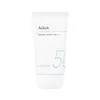
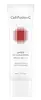
Missha All Round Safe Block Aqua Sun Gel SPF 50+ PA++++ Versus Cell Fusion C Laser Sunscreen SPF50+/ PA+++

What's inside
What's inside
 Key Ingredients
Benefits
Concerns
No concerns
Ingredients Side-by-side
Water
Skin ConditioningHomosalate
Skin Conditioning

Alcohol Denat.
Antimicrobial





Ethylhexyl Salicylate
UV Absorber
Dipropylene Glycol
HumectantButyl Methoxydibenzoylmethane
UV Absorber
Silica
Abrasive
Methyl Methacrylate Crosspolymer
Bis-Ethylhexyloxyphenol Methoxyphenyl Triazine
Skin Conditioning
Isoamyl P-Methoxycinnamate
UV Absorber
Octocrylene
UV Absorber
Bis-PEG/PPG-20/5 PEG/PPG-20/5 Dimethicone
Emulsifying
Methoxy PEG/PPG-25/4 Dimethicone
Emulsifying
Dimethicone
Emollient
Caprylyl Glycol
Emollient
Acrylates/C10-30 Alkyl Acrylate Crosspolymer
Emulsion StabilisingCaprylic/Capric Triglyceride
Masking
Parfum
Masking
Ethylhexylglycerin
Skin ConditioningSodium Hydroxide
Buffering1,2-Hexanediol
Skin Conditioning
BHT
Antioxidant
Disodium EDTA
Limonia Acidissima Extract
Skin ConditioningButylene Glycol
Humectant
Vp/Hexadecene Copolymer
Cyclopentasiloxane
Emollient
Acrylates/Dimethicone Copolymer
Skin Conditioning
Chrysanthemum Indicum Flower Extract
Skin ConditioningCamellia Sinensis Leaf Extract
Antimicrobial



Phenoxyethanol
Preservative
Morus Alba Fruit Extract
Antioxidant
Cinnamomum Cassia Bark Extract
Masking
Artemisia Princeps Leaf Extract
Skin ConditioningDiospyros Kaki Leaf Extract
Skin Protecting
Pueraria Lobata Root Extract
HumectantThymus Vulgaris Leaf Water
Skin ConditioningCentaurea Cyanus Flower Water
Skin ConditioningHelichrysum Italicum Flower Water
Skin ConditioningWater, Homosalate, Alcohol Denat., Ethylhexyl Salicylate, Dipropylene Glycol, Butyl Methoxydibenzoylmethane, Silica, Methyl Methacrylate Crosspolymer, Bis-Ethylhexyloxyphenol Methoxyphenyl Triazine, Isoamyl P-Methoxycinnamate, Octocrylene, Bis-PEG/PPG-20/5 PEG/PPG-20/5 Dimethicone, Methoxy PEG/PPG-25/4 Dimethicone, Dimethicone, Caprylyl Glycol, Acrylates/C10-30 Alkyl Acrylate Crosspolymer, Caprylic/Capric Triglyceride, Parfum, Ethylhexylglycerin, Sodium Hydroxide, 1,2-Hexanediol, BHT, Disodium EDTA, Limonia Acidissima Extract, Butylene Glycol, Vp/Hexadecene Copolymer, Cyclopentasiloxane, Acrylates/Dimethicone Copolymer, Chrysanthemum Indicum Flower Extract, Camellia Sinensis Leaf Extract, Phenoxyethanol, Morus Alba Fruit Extract, Cinnamomum Cassia Bark Extract, Artemisia Princeps Leaf Extract, Diospyros Kaki Leaf Extract, Pueraria Lobata Root Extract, Thymus Vulgaris Leaf Water, Centaurea Cyanus Flower Water, Helichrysum Italicum Flower Water
Water
Skin ConditioningZinc Oxide
Cosmetic Colorant
Dibutyl Adipate
EmollientCyclopentasiloxane
Emollient
Propylheptyl Caprylate
EmollientDipropylene Glycol
HumectantButyloctyl Salicylate
Skin Conditioning
Polyglyceryl-4 Diisostearate/Polyhydroxystearate/Sebacate
Emulsifying
Niacinamide
Smoothing





Calcium Aluminum Borosilicate
Diethylamino Hydroxybenzoyl Hexyl Benzoate
UV Filter
Methyl Methacrylate Crosspolymer
Bis-Ethylhexyloxyphenol Methoxyphenyl Triazine
Skin Conditioning
Ethylhexyl Triazone
UV Absorber
Polyglyceryl-3 Polydimethylsiloxyethyl Dimethicone
Skin Conditioning
Titanium Dioxide
Cosmetic Colorant
Disteardimonium Hectorite
StabilisingMagnesium Sulfate
Triethoxycaprylylsilane
1,2-Hexanediol
Skin Conditioning
Polymethylsilsesquioxane
Glyceryl Caprylate
EmollientCaprylyl Glycol
Emollient
Ethylhexylglycerin
Skin ConditioningAdenosine
Skin Conditioning
Tocopherol
Antioxidant
Carnosine
Skin Conditioning
Trimethylsiloxysilicate
Emollient
Hydrolyzed Collagen
Emollient
Water, Zinc Oxide, Dibutyl Adipate, Cyclopentasiloxane, Propylheptyl Caprylate, Dipropylene Glycol, Butyloctyl Salicylate, Polyglyceryl-4 Diisostearate/Polyhydroxystearate/Sebacate, Niacinamide, Calcium Aluminum Borosilicate, Diethylamino Hydroxybenzoyl Hexyl Benzoate, Methyl Methacrylate Crosspolymer, Bis-Ethylhexyloxyphenol Methoxyphenyl Triazine, Ethylhexyl Triazone, Polyglyceryl-3 Polydimethylsiloxyethyl Dimethicone, Titanium Dioxide, Disteardimonium Hectorite, Magnesium Sulfate, Triethoxycaprylylsilane, 1,2-Hexanediol, Polymethylsilsesquioxane, Glyceryl Caprylate, Caprylyl Glycol, Ethylhexylglycerin, Adenosine, Tocopherol, Carnosine, Trimethylsiloxysilicate, Hydrolyzed Collagen
Reviews
Ingredients Explained
These ingredients are found in both products.
Ingredients higher up in an ingredient list are typically present in a larger amount.
1,2-Hexanediol is a synthetic liquid and another multi-functional powerhouse.
It is a:
- Humectant, drawing moisture into the skin
- Emollient, helping to soften skin
- Solvent, dispersing and stabilizing formulas
- Preservative booster, enhancing the antimicrobial activity of other preservatives
You might know this ingredient as Tinosorb S or Bemotrizinol. It is a UV filter that covers both UVA and UVB rays.
This ingredient has two peak UV absorption peaks ( 310 and 340 nm) and is able to absorb both UV-A and UV-B rays. This ingredient works by preventing UV rays from reaching and damaging your skin.
On top of that - it is highly photostable and helps prevent the photodegration of other sunscreen ingredients such as avobenzone.
Tinosorb S is allowed in the EU, Australia, and Asia. It is close to being approved by the FDA and we'll hopefully get this ingredient in the U.S. by late 2025.
Fun fact: Tinosorb S is the most effective UV absorber at maximum concentration (measured by SPF) permitted in the EU.
This ingredient is oil-soluble, so your oil-cleansers will take this right off at night.
Learn more about Bis-Ethylhexyloxyphenol Methoxyphenyl TriazineCaprylyl Glycol is a humectant and emollient, meaning it attracts and preserves moisture.
It is a common ingredient in many products, especially those designed to hydrate skin. The primary benefits are retaining moisture, skin softening, and promoting a healthy skin barrier.
Though Caprylyl Glycol is an alcohol derived from fatty acids, it is not the kind that can dry out skin.
This ingredient is also used as a preservative to extend the life of products. It has slight antimicrobial properties.
Learn more about Caprylyl GlycolCyclopentasiloxane, or D5, is a silicone used to improve texture of products and trap moisture.
D5 is considered lightweight and volatile. Volatile means it evaporates quickly after application. Once evaporated, D5 leaves a thin barrier that helps keep skin hydrated.
It is also an emollient. Emollients help soften the skin and prevent water loss. Silicones create a silky texture in products. D5 helps other ingredients become more spreadable.
Studies show D5 is safe to use in skincare products. We recommend speaking with a skincare professional if you have concerns.
Learn more about CyclopentasiloxaneDipropylene Glycol is a synthetically created humectant, stabilizer, and solvent.
This ingredient helps:
Dipropylene glycol is technically an alcohol, but it belongs to the glycol family (often considered part of the ‘good’ alcohols). This means it is hydrating and gentle on skin unlike drying solvent alcohols like denatured alcohol.
As a masking agent, Dipropylene Glycol can be used to cover the smell of other ingredients. However, it does not have a scent.
Studies show Dipropylene Glycol is considered safe to use in skincare.
Learn more about Dipropylene GlycolEthylhexylglycerin (we can't pronounce this either) is commonly used as a preservative and skin softener. It is derived from glyceryl.
You might see Ethylhexylglycerin often paired with other preservatives such as phenoxyethanol. Ethylhexylglycerin has been found to increase the effectiveness of these other preservatives.
This ingredient comes as a powder made up of small, porous, microbeads. It is used to add a silky feel to products and also helps absorb oil.
Water. It's the most common cosmetic ingredient of all. You'll usually see it at the top of ingredient lists, meaning that it makes up the largest part of the product.
So why is it so popular? Water most often acts as a solvent - this means that it helps dissolve other ingredients into the formulation.
You'll also recognize water as that liquid we all need to stay alive. If you see this, drink a glass of water. Stay hydrated!
Learn more about Water
