

What's inside
What's inside
 Key Ingredients
Benefits
Concerns
Ingredients Side-by-side
Water
Skin ConditioningZinc Oxide
Cosmetic Colorant


Coco-Caprylate
Emollient

Caprylic/Capric Triglyceride
Masking
Butyloctyl Salicylate
Skin Conditioning
Propanediol
Solvent
Vitis Vinifera Seed Oil
Emollient
Sodium Stearoyl Glutamate
CleansingCetearyl Alcohol
Emollient


Arachidyl Alcohol
EmollientTocopherol
Antioxidant




Caprylyl Glycol
Emollient
Coco-Glucoside
CleansingAstrocaryum Tucuma Seed Butter
Emollient
Ethyl Ferulate
Antioxidant
Behenyl Alcohol
Emollient
Cetyl Palmitate
Emollient
Sorbitan Palmitate
Emulsifying
Sorbitan Olivate
Emulsifying
Arachidyl Glucoside
EmulsifyingSodium Gluconate
Skin ConditioningCitric Acid
Buffering





Bisabolol
Masking


Acacia Senegal Gum
MaskingCaprylhydroxamic Acid
Glycerin
Humectant
Xanthan Gum
EmulsifyingAcetyl Glucosamine
Skin ConditioningSodium Hyaluronate
Humectant
Polyhydroxystearic Acid
Emulsifying
Tetrahexyldecyl Ascorbate
Antioxidant
Aloe Barbadensis Leaf Juice
Skin Conditioning
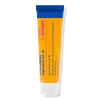
Water, Zinc Oxide, Coco-Caprylate, Caprylic/Capric Triglyceride, Butyloctyl Salicylate, Propanediol, Vitis Vinifera Seed Oil, Sodium Stearoyl Glutamate, Cetearyl Alcohol, Arachidyl Alcohol, Tocopherol, Caprylyl Glycol, Coco-Glucoside, Astrocaryum Tucuma Seed Butter, Ethyl Ferulate, Behenyl Alcohol, Cetyl Palmitate, Sorbitan Palmitate, Sorbitan Olivate, Arachidyl Glucoside, Sodium Gluconate, Citric Acid, Bisabolol, Acacia Senegal Gum, Caprylhydroxamic Acid, Glycerin, Xanthan Gum, Acetyl Glucosamine, Sodium Hyaluronate, Polyhydroxystearic Acid, Tetrahexyldecyl Ascorbate, Aloe Barbadensis Leaf Juice
Butyl Methoxydibenzoylmethane 3%
UV Absorber
Homosalate 7%
Skin Conditioning
Ethylhexyl Salicylate 4.5%
UV Absorber
Octocrylene 10%
UV Absorber
Water
Skin ConditioningBehenyl Acrylate
Biosaccharide Gum-2
Skin ConditioningButyloctyl Salicylate
Skin Conditioning
Chlorphenesin
Antimicrobial
Diethylhexyl 2,6-Naphthalate
EmollientDimethicone/Vinyl Dimethicone Crosspolymer
Skin Conditioning
Glycerin
Humectant
Isododecane
EmollientMagnesium Sulfate
Acetyl Carnosine
Skin ProtectingP-Anisic Acid
MaskingPentylene Glycol
Skin ConditioningPhenoxyethanol
Preservative
Propanediol
Solvent
Sodium Citrate
BufferingPhospholipids
Skin Conditioning
Sphingolipids
Emollient
Tocopherol
Antioxidant
Tri (Polyglyceryl-3/Lauryl) Hydrogenated Trilinoleate
EmulsifyingTrisodium Ethylenediamine Disuccinate
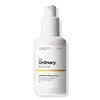
Butyl Methoxydibenzoylmethane 3%, Homosalate 7%, Ethylhexyl Salicylate 4.5%, Octocrylene 10%, Water, Behenyl Acrylate, Biosaccharide Gum-2, Butyloctyl Salicylate, Chlorphenesin, Diethylhexyl 2,6-Naphthalate, Dimethicone/Vinyl Dimethicone Crosspolymer, Glycerin, Isododecane, Magnesium Sulfate, Acetyl Carnosine, P-Anisic Acid, Pentylene Glycol, Phenoxyethanol, Propanediol, Sodium Citrate, Phospholipids, Sphingolipids, Tocopherol, Tri (Polyglyceryl-3/Lauryl) Hydrogenated Trilinoleate, Trisodium Ethylenediamine Disuccinate
Reviews
Ingredients Explained
These ingredients are found in both products.
Ingredients higher up in an ingredient list are typically present in a larger amount.
Butyloctyl Salicylate is a chemical UV filter structurally similar to octisalate. It is a photostabilizer, SPF booster, emollient and solvent. This ingredient helps evenly spread out ingredients.
According to a manufacturer, it is suitable for pairing with micro Titanium Dioxide, Zinc Oxide, and pigments.
Photostabilizers help stabilize UV-filters and prevents them from degrading quickly.
Learn more about Butyloctyl SalicylateGlycerin is already naturally found in your skin. It helps moisturize and protect your skin.
A study from 2016 found glycerin to be more effective as a humectant than AHAs and hyaluronic acid.
As a humectant, it helps the skin stay hydrated by pulling moisture to your skin. The low molecular weight of glycerin allows it to pull moisture into the deeper layers of your skin.
Hydrated skin improves your skin barrier; Your skin barrier helps protect against irritants and bacteria.
Glycerin has also been found to have antimicrobial and antiviral properties. Due to these properties, glycerin is often used in wound and burn treatments.
In cosmetics, glycerin is usually derived from plants such as soybean or palm. However, it can also be sourced from animals, such as tallow or animal fat.
This ingredient is organic, colorless, odorless, and non-toxic.
Glycerin is the name for this ingredient in American English. British English uses Glycerol/Glycerine.
Learn more about GlycerinPropanediol is an all-star ingredient. It softens, hydrates, and smooths the skin.
It’s often used to:
Propanediol is not likely to cause sensitivity and considered safe to use. It is derived from corn or petroleum with a clear color and no scent.
Learn more about PropanediolTocopherol (also known as Vitamin E) is a common antioxidant used to help protect the skin from free-radicals and strengthen the skin barrier. It's also fat soluble - this means our skin is great at absorbing it.
Vitamin E also helps keep your natural skin lipids healthy. Your lipid skin barrier naturally consists of lipids, ceramides, and fatty acids. Vitamin E offers extra protection for your skin’s lipid barrier, keeping your skin healthy and nourished.
Another benefit is a bit of UV protection. Vitamin E helps reduce the damage caused by UVB rays. (It should not replace your sunscreen). Combining it with Vitamin C can decrease sunburned cells and hyperpigmentation after UV exposure.
You might have noticed Vitamin E + C often paired together. This is because it is great at stabilizing Vitamin C. Using the two together helps increase the effectiveness of both ingredients.
There are often claims that Vitamin E can reduce/prevent scarring, but these claims haven't been confirmed by scientific research.
Learn more about TocopherolWater. It's the most common cosmetic ingredient of all. You'll usually see it at the top of ingredient lists, meaning that it makes up the largest part of the product.
So why is it so popular? Water most often acts as a solvent - this means that it helps dissolve other ingredients into the formulation.
You'll also recognize water as that liquid we all need to stay alive. If you see this, drink a glass of water. Stay hydrated!
Learn more about Water
