

What's inside
What's inside
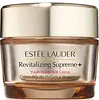 Key Ingredients
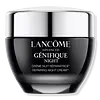
Benefits
Concerns
Ingredients Side-by-side
Water
Skin ConditioningIsononyl Isononanoate
EmollientC12-20 Acid PEG-8 Ester
Emulsifying
Glycerin
Humectant



Butylene Glycol
Humectant
Dimethicone
Emollient
Butyrospermum Parkii Butter
Skin Conditioning

Cetyl Alcohol
Emollient
Moringa Oleifera Seed Extract
Skin Conditioning
Hibiscus Sinensis Flower Extract
Skin ConditioningSodium Hyaluronate
Humectant
Acetyl Hexapeptide-8
Humectant

Laminaria Digitata Extract
Skin Protecting
Lactis Proteinum
Skin ConditioningTuna Extract
Skin ConditioningAcetyl Glucosamine
Skin ConditioningTocopheryl Acetate
Antioxidant

Narcissus Tazetta Bulb Extract
Astringent

Algae Extract
Emollient
Pyrus Malus Fruit Extract
Skin Conditioning
Cucumis Sativus Fruit Extract
Emollient
Lens Esculenta Fruit Extract
Skin ConditioningCitrullus Lanatus Fruit Extract
Skin Conditioning
Laminaria Saccharina Extract
Skin ProtectingSilybum Marianum Extract
Skin ConditioningHelianthus Annuus Seed Extract
Skin Conditioning
Sigesbeckia Orientalis Extract
Skin ConditioningCaffeine
Skin Conditioning
Hordeum Vulgare Extract
EmollientSodium Lactate
BufferingSorbitol
Humectant
Ethylhexylglycerin
Skin ConditioningPropylene Glycol Dicaprate
EmollientGlucose
Humectant
Glucose Oxidase
StabilisingSodium PCA
Humectant
Sucrose
Humectant
Xanthan Gum
EmulsifyingSodium Hydroxide
BufferingCarbomer
Emulsion StabilisingPentylene Glycol
Skin ConditioningLactoperoxidase
StabilisingIsoceteth-20
Emulsifying
Sodium Dehydroacetate
Preservative
Potassium Cetyl Phosphate
EmulsifyingPEG-100 Stearate
Tetrahexyldecyl Ascorbate
Antioxidant


Acrylates/C10-30 Alkyl Acrylate Crosspolymer
Emulsion StabilisingAmmonium Acryloyldimethyltaurate/Vp Copolymer
Parfum
Masking


Potassium Phosphate
BufferingSodium Chloride
Masking
BHT
Antioxidant
Potassium Sorbate
Preservative
Sodium Benzoate
Masking
Phenoxyethanol
Preservative
CI 14700
Cosmetic ColorantWater, Isononyl Isononanoate, C12-20 Acid PEG-8 Ester, Glycerin, Butylene Glycol, Dimethicone, Butyrospermum Parkii Butter, Cetyl Alcohol, Moringa Oleifera Seed Extract, Hibiscus Sinensis Flower Extract, Sodium Hyaluronate, Acetyl Hexapeptide-8, Laminaria Digitata Extract, Lactis Proteinum, Tuna Extract, Acetyl Glucosamine, Tocopheryl Acetate, Narcissus Tazetta Bulb Extract, Algae Extract, Pyrus Malus Fruit Extract, Cucumis Sativus Fruit Extract, Lens Esculenta Fruit Extract, Citrullus Lanatus Fruit Extract, Laminaria Saccharina Extract, Silybum Marianum Extract, Helianthus Annuus Seed Extract, Sigesbeckia Orientalis Extract, Caffeine, Hordeum Vulgare Extract, Sodium Lactate, Sorbitol, Ethylhexylglycerin, Propylene Glycol Dicaprate, Glucose, Glucose Oxidase, Sodium PCA, Sucrose, Xanthan Gum, Sodium Hydroxide, Carbomer, Pentylene Glycol, Lactoperoxidase, Isoceteth-20, Sodium Dehydroacetate, Potassium Cetyl Phosphate, PEG-100 Stearate, Tetrahexyldecyl Ascorbate, Acrylates/C10-30 Alkyl Acrylate Crosspolymer, Ammonium Acryloyldimethyltaurate/Vp Copolymer, Parfum, Potassium Phosphate, Sodium Chloride, BHT, Potassium Sorbate, Sodium Benzoate, Phenoxyethanol, CI 14700
Water
Skin ConditioningBifida Ferment Lysate
Skin Conditioning
Glycerin
Humectant
Dicaprylyl Ether
Emollient
Pentylene Glycol
Skin ConditioningPolyglyceryl-6 Distearate
Emulsifying
Propanediol
Solvent
Cetyl Esters
Emollient
Jojoba Esters
Emollient
Ammonium Polyacryloyldimethyl Taurate
Emulsion StabilisingBehenyl Alcohol
Emollient
Octyldodecanol
Emollient
Acacia Decurrens Flower Cera
Emollient
Helianthus Annuus Seed Cera
EmollientHelianthus Annuus Seed Oil
Emollient
Polymnia Sonchifolia Root Juice
Skin ConditioningCeramide NP
Skin Conditioning
Alpha-Glucan Oligosaccharide
CleansingSodium Hyaluronate
Humectant
Sodium Hydroxide
BufferingSodium Stearoyl Glutamate
CleansingSalicyloyl Phytosphingosine
Skin Conditioning2-Oleamido-1,3-Octadecanediol
Skin ConditioningAdenosine
Skin Conditioning
Mannose
HumectantCoco-Caprylate/Caprate
Emollient
Ascorbyl Glucoside
Antioxidant
Hydroxyacetophenone
Antioxidant
Hydroxypalmitoyl Sphinganine
Skin Conditioning
Hydroxypropyl Starch Phosphate
Capryloyl Salicylic Acid
Exfoliating



Trisodium Ethylenediamine Disuccinate
Lactic Acid
Buffering
Lactobacillus
Skin ConditioningAcetic Acid
BufferingMaltodextrin
Absorbent
Faex Extract
Skin ConditioningPolyglycerin-3
Humectant
Polyglyceryl-3 Beeswax
Emulsifying
Cetyl Alcohol
Emollient
Tocopherol
Antioxidant
Sodium Benzoate
Masking
Linalool
Perfuming
Limonene
Perfuming
Citronellol
Perfuming
Parfum
Masking
Water, Bifida Ferment Lysate, Glycerin, Dicaprylyl Ether, Pentylene Glycol, Polyglyceryl-6 Distearate, Propanediol, Cetyl Esters, Jojoba Esters, Ammonium Polyacryloyldimethyl Taurate, Behenyl Alcohol, Octyldodecanol, Acacia Decurrens Flower Cera, Helianthus Annuus Seed Cera, Helianthus Annuus Seed Oil, Polymnia Sonchifolia Root Juice, Ceramide NP, Alpha-Glucan Oligosaccharide, Sodium Hyaluronate, Sodium Hydroxide, Sodium Stearoyl Glutamate, Salicyloyl Phytosphingosine, 2-Oleamido-1,3-Octadecanediol, Adenosine, Mannose, Coco-Caprylate/Caprate, Ascorbyl Glucoside, Hydroxyacetophenone, Hydroxypalmitoyl Sphinganine, Hydroxypropyl Starch Phosphate, Capryloyl Salicylic Acid, Trisodium Ethylenediamine Disuccinate, Lactic Acid, Lactobacillus, Acetic Acid, Maltodextrin, Faex Extract, Polyglycerin-3, Polyglyceryl-3 Beeswax, Cetyl Alcohol, Tocopherol, Sodium Benzoate, Linalool, Limonene, Citronellol, Parfum
Ingredients Explained
These ingredients are found in both products.
Ingredients higher up in an ingredient list are typically present in a larger amount.
Cetyl Alcohol is a fatty alcohol. Fatty Alcohols are most often used as an emollient or to thicken a product.
Its main roles are:
Though it has "alcohol" in the name, it is not related to denatured alcohol or ethyl alcohol.
The FDA allows products labeled "alcohol-free" to have fatty alcohols.
Learn more about Cetyl AlcoholGlycerin is already naturally found in your skin. It helps moisturize and protect your skin.
A study from 2016 found glycerin to be more effective as a humectant than AHAs and hyaluronic acid.
As a humectant, it helps the skin stay hydrated by pulling moisture to your skin. The low molecular weight of glycerin allows it to pull moisture into the deeper layers of your skin.
Hydrated skin improves your skin barrier; Your skin barrier helps protect against irritants and bacteria.
Glycerin has also been found to have antimicrobial and antiviral properties. Due to these properties, glycerin is often used in wound and burn treatments.
In cosmetics, glycerin is usually derived from plants such as soybean or palm. However, it can also be sourced from animals, such as tallow or animal fat.
This ingredient is organic, colorless, odorless, and non-toxic.
Glycerin is the name for this ingredient in American English. British English uses Glycerol/Glycerine.
Learn more about GlycerinParfum is a catch-all term for an ingredient or more that is used to give a scent to products.
Also called "fragrance", this ingredient can be a blend of hundreds of chemicals or plant oils. This means every product with "fragrance" or "parfum" in the ingredients list is a different mixture.
For instance, Habanolide is a proprietary trade name for a specific aroma chemical. When used as a fragrance ingredient in cosmetics, most aroma chemicals fall under the broad labeling category of “FRAGRANCE” or “PARFUM” according to EU and US regulations.
The term 'parfum' or 'fragrance' is not regulated in many countries. In many cases, it is up to the brand to define this term.
For instance, many brands choose to label themselves as "fragrance-free" because they are not using synthetic fragrances. However, their products may still contain ingredients such as essential oils that are considered a fragrance by INCI standards.
One example is Calendula flower extract. Calendula is an essential oil that still imparts a scent or 'fragrance'.
Depending on the blend, the ingredients in the mixture can cause allergies and sensitivities on the skin. Some ingredients that are known EU allergens include linalool and citronellol.
Parfum can also be used to mask or cover an unpleasant scent.
The bottom line is: not all fragrances/parfum/ingredients are created equally. If you are worried about fragrances, we recommend taking a closer look at an ingredient. And of course, we always recommend speaking with a professional.
Learn more about ParfumPentylene glycol is typically used within a product to thicken it. It also adds a smooth, soft, and moisturizing feel to the product. It is naturally found in plants such as sugar beets.
The hydrophilic trait of Pentylene Glycol makes it a humectant. As a humectant, Pentylene Glycol helps draw moisture from the air to your skin. This can help keep your skin hydrated.
This property also makes Pentylene Glycol a great texture enhancer. It can also help thicken or stabilize a product.
Pentylene Glycol also acts as a mild preservative and helps to keep a product microbe-free.
Some people may experience mild eye and skin irritation from Pentylene Glycol. We always recommend speaking with a professional about using this ingredient in your routine.
Pentylene Glycol has a low molecular weight and is part of the 1,2-glycol family.
Learn more about Pentylene GlycolSodium Benzoate is a preservative. It's used in both cosmetic and food products to inhibit the growth of mold and bacteria. It is typically produced synthetically.
Both the US FDA and EU Health Committee have approved the use of sodium benzoate. In the US, levels of 0.1% (of the total product) are allowed.
Sodium benzoate works as a preservative by inhibiting the growth of bacteria inside of cells. It prevents the cell from fermenting a type of sugar using an enzyme called phosphofructokinase.
It is the salt of benzoic acid. Foods containing sodium benzoate include soda, salad dressings, condiments, fruit juices, wines, and snack foods.
Studies for using ascorbic acid and sodium benzoate in cosmetics are lacking, especially in skincare routines with multiple steps.
We always recommend speaking with a professional, such as a dermatologist, if you have any concerns.
Learn more about Sodium BenzoateSodium Hyaluronate is hyaluronic acid's salt form. It is commonly derived from the sodium salt of hyaluronic acid.
Like hyaluronic acid, it is great at holding water and acts as a humectant. This makes it a great skin hydrating ingredient.
Sodium Hyaluronate is naturally occurring in our bodies and is mostly found in eye fluid and joints.
These are some other common types of Hyaluronic Acid:
Learn more about Sodium HyaluronateSodium Hydroxide is also known as lye or caustic soda. It is used to adjust the pH of products; many ingredients require a specific pH to be effective.
In small amounts, sodium hydroxide is considered safe to use. However, large amounts may cause chemical burns due to its high alkaline.
Your skin has a natural pH and acid mantle. This acid mantle helps prevent harmful bacteria from breaking through. The acid mantle also helps keep your skin hydrated.
"Alkaline" refers to a high pH level. A low pH level would be considered acidic.
Learn more about Sodium HydroxideWater. It's the most common cosmetic ingredient of all. You'll usually see it at the top of ingredient lists, meaning that it makes up the largest part of the product.
So why is it so popular? Water most often acts as a solvent - this means that it helps dissolve other ingredients into the formulation.
You'll also recognize water as that liquid we all need to stay alive. If you see this, drink a glass of water. Stay hydrated!
Learn more about Water
