

What's inside
What's inside
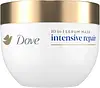 Key Ingredients
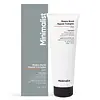
Benefits
Concerns
Ingredients Side-by-side
Water
Skin ConditioningCetearyl Alcohol
Emollient



Behentrimonium Chloride
Preservative
Glycerin
Humectant



Dimethiconol/Silsesquioxane Copolymer
Skin ConditioningIsohexadecane
EmollientDipropylene Glycol
HumectantParfum
Masking


Citric Acid
Buffering



Lactic Acid
Buffering

Sodium Gluconate
Skin ConditioningSodium Benzoate
Masking
Disodium EDTA
Sodium Citrate
BufferingCocos Nucifera Oil
Masking
Sodium Chloride
Masking
Sh-Polypeptide-50
Skin Conditioning
Avena Sativa Peptide
Skin Conditioning
Ceramide EOP
Skin Conditioning

Ceramide AP
Skin Conditioning
Ceramide NP
Skin Conditioning
Hydrolyzed Soy Protein
Humectant
Benzyl Salicylate
Perfuming

Hexyl Cinnamal
Perfuming
Limonene
Perfuming
Linalool
Perfuming
CI 19140
Cosmetic ColorantCI 15985
Cosmetic ColorantWater, Cetearyl Alcohol, Behentrimonium Chloride, Glycerin, Dimethiconol/Silsesquioxane Copolymer, Isohexadecane, Dipropylene Glycol, Parfum, Citric Acid, Lactic Acid, Sodium Gluconate, Sodium Benzoate, Disodium EDTA, Sodium Citrate, Cocos Nucifera Oil, Sodium Chloride, Sh-Polypeptide-50, Avena Sativa Peptide, Ceramide EOP, Ceramide AP, Ceramide NP, Hydrolyzed Soy Protein, Benzyl Salicylate, Hexyl Cinnamal, Limonene, Linalool, CI 19140, CI 15985
Water
Skin ConditioningCetearyl Alcohol
Emollient
Triethanolamine
BufferingMaleic Acid
BufferingBehentrimonium Chloride
Preservative
Glycerin
Humectant
Bis-Hydroxy/Methoxy Amodimethicone

Divinyldimethicone/Dimethicone Copolymer
Xylitylglucoside
Humectant
Anhydroxylitol
Humectant
Xylitol
Humectant
Panthenol
Skin Conditioning
Sodium PCA
Humectant
Stearamidopropyl Dimethylamine
EmulsifyingCetyl Esters
Emollient
Cocos Nucifera Oil
Masking
Hydroxypropyltrimonium Hydrolyzed Wheat Protein
Skin ConditioningAlanine
MaskingArginine
Masking
Proline
Skin ConditioningTyrosine
MaskingCysteine
Antioxidant
Isoleucine
Skin ConditioningPhenylalanine
Masking
Histidine
Humectant
Lysine
Skin ConditioningMethionine
Skin ConditioningGlutamic Acid
Humectant
Leucine
Skin ConditioningValine
MaskingThreonine
Glycine
Buffering
Aspartic Acid
Masking
Tryptophan
MaskingHydroxyethylcellulose
Emulsion StabilisingTocopheryl Acetate
Antioxidant
Ceramide NP
Skin Conditioning
Transglutaminase
Skin ConditioningPhenoxyethanol
Preservative
C12-13 Alketh-23
CleansingC12-15 Alketh-7
EmulsifyingEthylhexylglycerin
Skin ConditioningTrisodium Ethylenediamine Disuccinate
Water, Cetearyl Alcohol, Triethanolamine, Maleic Acid, Behentrimonium Chloride, Glycerin, Bis-Hydroxy/Methoxy Amodimethicone, Divinyldimethicone/Dimethicone Copolymer, Xylitylglucoside, Anhydroxylitol, Xylitol, Panthenol, Sodium PCA, Stearamidopropyl Dimethylamine, Cetyl Esters, Cocos Nucifera Oil, Hydroxypropyltrimonium Hydrolyzed Wheat Protein, Alanine, Arginine, Proline, Tyrosine, Cysteine, Isoleucine, Phenylalanine, Histidine, Lysine, Methionine, Glutamic Acid, Leucine, Valine, Threonine, Glycine, Aspartic Acid, Tryptophan, Hydroxyethylcellulose, Tocopheryl Acetate, Ceramide NP, Transglutaminase, Phenoxyethanol, C12-13 Alketh-23, C12-15 Alketh-7, Ethylhexylglycerin, Trisodium Ethylenediamine Disuccinate
Reviews
Ingredients Explained
These ingredients are found in both products.
Ingredients higher up in an ingredient list are typically present in a larger amount.
This ingredient is a preservative and often used for it's anti-static properties. You'll most likely see this ingredient in hair conditioners.
It does not cause irritation or sensitization in leave-on products at 1-5%.
Ceramide NP is a type of ceramide and formally known as ceramide 3.
Ceramides are intercellular lipids naturally found in our skin that bonds dead skin cells together to create a barrier. They are known for their ability to hold water and thus are a great ingredient for dry skin.
Ceramides are an important building block for our skin barrier. A stronger barrier helps the skin look more firm and hydrated. By bolstering the skin ceramides act as a barrier against irritating ingredients. This can help with inflammation as well.
If you would like to eat ceramides, sweet potatoes contain a small amount.
Read more about other common types of ceramides here:
Ceramide AP
Ceramide EOP
Cetearyl alcohol is a mixture of two fatty alcohols: cetyl alcohol and stearyl alcohol. It is mainly used as an emulsifier. Emulsifiers help prevent the separation of oils and products. Due to its composition, it can also be used to thicken a product or help create foam.
Cetearyl alcohol is an emollient. Emollients help soothe and hydrate the skin by trapping moisture.
Studies show Cetearyl alcohol is non-toxic and non-irritating. The FDA allows products labeled "alcohol-free" to have fatty alcohols.
This ingredient is usually derived from plant oils such as palm, vegetable, or coconut oils. There is debate on whether this ingredient will cause acne.
Due to the fatty acid base, this ingredient may not be Malassezia folliculitis safe.
Learn more about Cetearyl AlcoholCocos Nucifera Oil is obtained from the kernels of the coconut fruit. In other words, this is coconut oil.
Coconut Oil is rich in fatty acids with lauric acid making up the majority of these. It also contains linoleic acid. Due to this high fatty acid content, coconut oil helps trap moisture and soften skin.
Despite being antibacterial, coconut oil may not be great for acne-prone skin. It is comedogenic and may clog pores. This ingredient may not be safe for malassezia or fungal acne.
Note: Coconut Oil should not replace your sunscreen for UV protection. Studies show it only blocks about 20% of UV.
This oil is non-volatile and has a light scent.
The term 'fragrance' is not regulated in many countries. In many cases, it is up to the brand to define this term. For instance, many brands choose to label themselves as "fragrance-free" because they are not using synthetic fragrances. However, their products may still contain ingredients such as essential oils that are considered a fragrance.
Learn more about Cocos Nucifera OilGlycerin is already naturally found in your skin. It helps moisturize and protect your skin.
A study from 2016 found glycerin to be more effective as a humectant than AHAs and hyaluronic acid.
As a humectant, it helps the skin stay hydrated by pulling moisture to your skin. The low molecular weight of glycerin allows it to pull moisture into the deeper layers of your skin.
Hydrated skin improves your skin barrier; Your skin barrier helps protect against irritants and bacteria.
Glycerin has also been found to have antimicrobial and antiviral properties. Due to these properties, glycerin is often used in wound and burn treatments.
In cosmetics, glycerin is usually derived from plants such as soybean or palm. However, it can also be sourced from animals, such as tallow or animal fat.
This ingredient is organic, colorless, odorless, and non-toxic.
Glycerin is the name for this ingredient in American English. British English uses Glycerol/Glycerine.
Learn more about GlycerinWater. It's the most common cosmetic ingredient of all. You'll usually see it at the top of ingredient lists, meaning that it makes up the largest part of the product.
So why is it so popular? Water most often acts as a solvent - this means that it helps dissolve other ingredients into the formulation.
You'll also recognize water as that liquid we all need to stay alive. If you see this, drink a glass of water. Stay hydrated!
Learn more about Water
