
What's inside
What's inside
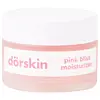 Key Ingredients
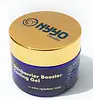
Benefits
Concerns
Ingredients Side-by-side
Water
Skin ConditioningNiacinamide
Smoothing










Centella Asiatica Extract
Cleansing
Glycerin
Humectant
Triethanolamine
BufferingPetrolatum
Emollient

Isopropyl Myristate
Emollient

Punica Granatum Fruit Extract
Antioxidant
Carbomer
Emulsion StabilisingPropylene Glycol
Humectant

Aloe Barbadensis Leaf Extract
Emollient
Cetyl Alcohol
Emollient
Dimethicone
Emollient
1,2-Hexanediol
Skin Conditioning
Cetearyl Alcohol
Emollient
Pectin
Emulsion StabilisingGlyceryl Stearate
Emollient
Honey Extract
Humectant
Caprylyl Glycol
Emollient
Ceteareth-20
Cleansing
Disodium EDTA
PEG-40 Stearate
Emulsifying
Acetyl Glucosamine
Skin ConditioningArginine
Masking
Ascorbic Acid
Antioxidant

CI 77220
Cosmetic ColorantCaprylic/Capric Triglyceride
Masking
Citric Acid
Buffering
Glucose
Humectant
Glutathione
Hydrogenated Lecithin
Emulsifying
Hydroxypropyl Methylcellulose
Emulsion StabilisingSodium Chloride
Masking
DMDM Hydantoin
Preservative

Phenoxyethanol
Preservative
Benzoic Acid
Masking
Water, Niacinamide, Centella Asiatica Extract, Glycerin, Triethanolamine, Petrolatum, Isopropyl Myristate, Punica Granatum Fruit Extract, Carbomer, Propylene Glycol, Aloe Barbadensis Leaf Extract, Cetyl Alcohol, Dimethicone, 1,2-Hexanediol, Cetearyl Alcohol, Pectin, Glyceryl Stearate, Honey Extract, Caprylyl Glycol, Ceteareth-20, Disodium EDTA, PEG-40 Stearate, Acetyl Glucosamine, Arginine, Ascorbic Acid, CI 77220, Caprylic/Capric Triglyceride, Citric Acid, Glucose, Glutathione, Hydrogenated Lecithin, Hydroxypropyl Methylcellulose, Sodium Chloride, DMDM Hydantoin, Phenoxyethanol, Benzoic Acid
Water
Skin ConditioningButylene Glycol
Humectant
Aloe Barbadensis Leaf Extract
Emollient
Glycyrrhiza Glabra Root Extract
Bleaching
Centella Asiatica Extract
Cleansing
Hyaluronic Acid
Humectant
Caprylic/Capric Triglyceride
Masking
Artemisia Vulgaris Extract
Skin Conditioning
1,2-Hexanediol
Skin Conditioning
Polyacrylamide
Glycerin
Humectant
Beta-Glucan
Skin Conditioning
Kojic Acid
Antioxidant
C13-14 Isoparaffin
Emollient
Phenoxyethanol
Preservative
Allantoin
Skin Conditioning
Hydrogenated Lecithin
Emulsifying
Cholesterol
Emollient
Alpha-Arbutin
Antioxidant
Sodium Dna
Skin Conditioning
Bakuchiol
Antimicrobial
Deoxyphytantriyl Palmitamide Mea
Skin ConditioningLaureth-7
EmulsifyingCeramide NP
Skin Conditioning
Water, Butylene Glycol, Aloe Barbadensis Leaf Extract, Glycyrrhiza Glabra Root Extract, Centella Asiatica Extract, Hyaluronic Acid, Caprylic/Capric Triglyceride, Artemisia Vulgaris Extract, 1,2-Hexanediol, Polyacrylamide, Glycerin, Beta-Glucan, Kojic Acid, C13-14 Isoparaffin, Phenoxyethanol, Allantoin, Hydrogenated Lecithin, Cholesterol, Alpha-Arbutin, Sodium Dna, Bakuchiol, Deoxyphytantriyl Palmitamide Mea, Laureth-7, Ceramide NP
Ingredients Explained
These ingredients are found in both products.
Ingredients higher up in an ingredient list are typically present in a larger amount.
1,2-Hexanediol is a synthetic liquid and another multi-functional powerhouse.
It is a:
- Humectant, drawing moisture into the skin
- Emollient, helping to soften skin
- Solvent, dispersing and stabilizing formulas
- Preservative booster, enhancing the antimicrobial activity of other preservatives
Aloe Barbadensis Leaf Extract is an extract of the leaves of the aloe, Aloe barbadensis, Liliaceae.
Aloe is one of the most well-known natural soothing ingredients, and for good reason. It’s full of water and has a cooling, calming effect on the skin, especially when it’s sunburned, itchy, or irritated. Aloe also helps your skin stay hydrated and smooth by mimicking what healthy skin naturally produces. On top of that, it contains vitamins and nutrients that support skin recovery.
It doesn’t protect you from the sun, but it can help your skin bounce back after too much time in it.
Let’s get into the details:
Aloe contains antioxidant Vitamins A, C, and E, which help fight off free radicals (unstable molecules from things like pollution that can damage your skin).
It’s also rich in polysaccharides, which are natural sugars that help hydrate the skin by acting like the skin’s own moisturizing agents. These, along with other sugars like monosaccharides, help form a protective barrier that locks in moisture.
Aloe works as both a humectant and an emollient. That means it draws water into the skin (humectant) and helps trap it there (emollient), making it an effective natural moisturizer.
You’ll also find a mix of other skin-supporting ingredients in aloe, including folic acid, choline, calcium, amino acids, fatty acids, and even Vitamin B12.
Out of the 420+ species of aloe, Aloe barbadensis is the most widely used in skincare products thanks to its gentle yet effective properties.
There are over 420 species of aloe but Aloe Barbadensis is the most commonly used for topical products.
Learn more about Aloe Barbadensis Leaf ExtractThis ingredient is an emollient, solvent, and texture enhancer. It is considered a skin-softener by helping the skin prevent moisture loss.
It helps thicken a product's formula and makes it easier to spread by dissolving clumping compounds.
Caprylic Triglyceride is made by combining glycerin with coconut oil, forming a clear liquid.
While there is an assumption Caprylic Triglyceride can clog pores due to it being derived from coconut oil, there is no research supporting this.
Learn more about Caprylic/Capric TriglycerideCentella Asiatica Extract (Centella) is derived from an herb native to Southeast Asia. It is famous for its anti-inflammatory and soothing properties.
Centella is rich in antioxidants and amino acids, such as Madecassic Acid and Asiaticoside.
Studies show the compounds in centella help with:
The combination of all these properties makes centella effective at soothing, hydrating, and protecting the skin.
Other great components of centella include Vitamin A, vitamin C, several B vitamins, and Asiatic Acid.
Fun fact: Centella has been used as a medicine and in food for many centuries. As a medicine, it is used to treat burns, scratches, and wounds.
Learn more about Centella Asiatica ExtractGlycerin is already naturally found in your skin. It helps moisturize and protect your skin.
A study from 2016 found glycerin to be more effective as a humectant than AHAs and hyaluronic acid.
As a humectant, it helps the skin stay hydrated by pulling moisture to your skin. The low molecular weight of glycerin allows it to pull moisture into the deeper layers of your skin.
Hydrated skin improves your skin barrier; Your skin barrier helps protect against irritants and bacteria.
Glycerin has also been found to have antimicrobial and antiviral properties. Due to these properties, glycerin is often used in wound and burn treatments.
In cosmetics, glycerin is usually derived from plants such as soybean or palm. However, it can also be sourced from animals, such as tallow or animal fat.
This ingredient is organic, colorless, odorless, and non-toxic.
Glycerin is the name for this ingredient in American English. British English uses Glycerol/Glycerine.
Learn more about GlycerinHydrogenated Lecithin is created from the hydrogenation of lecithin (a group of phospholipids). Hydrogenation is a chemical reaction between hydrogen and another element.
This ingredient is an emollient and emulsifier. As an emollient, it helps soften skin by trapping moisture within. As an emulsifier, it prevents oil and water ingredients from separating.
Phenoxyethanol is a preservative that has germicide, antimicrobial, and aromatic properties. Studies show that phenoxyethanol can prevent microbial growth. By itself, it has a scent that is similar to that of a rose.
It's often used in formulations along with Caprylyl Glycol to preserve the shelf life of products.
Water. It's the most common cosmetic ingredient of all. You'll usually see it at the top of ingredient lists, meaning that it makes up the largest part of the product.
So why is it so popular? Water most often acts as a solvent - this means that it helps dissolve other ingredients into the formulation.
You'll also recognize water as that liquid we all need to stay alive. If you see this, drink a glass of water. Stay hydrated!
Learn more about Water
