

What's inside
What's inside
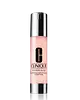 Key Ingredients
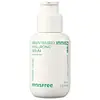
Benefits
Concerns
No concerns
Ingredients Side-by-side
Water
Skin ConditioningGlycerin
Humectant



Butylene Glycol
Humectant
Phenyl Trimethicone
Skin Conditioning
Propanediol
Solvent
Sucrose
Humectant
Hydroxyethyl Urea
Humectant
Alteromonas Ferment Extract
Skin Conditioning
Hydrolyzed Rice Extract
Skin Conditioning
Acetyl Glucosamine
Skin ConditioningTrehalose
Humectant
Algae Extract
Emollient
Caffeine
Skin Conditioning
Cholesterol
Emollient
Aloe Barbadensis Leaf Water
MaskingSodium Hyaluronate
Humectant
Pentaerythrityl Tetraethylhexanoate
Emollient
Dextrin Palmitate
Emulsifying
Acrylates/C10-30 Alkyl Acrylate Crosspolymer
Emulsion StabilisingSorbitol
Humectant
Sodium Polyaspartate
HumectantTocopheryl Acetate
Antioxidant

Carbomer
Emulsion StabilisingDehydroxanthan Gum
Emulsion StabilisingCitric Acid
Buffering




Tetrahexyldecyl Ascorbate
Antioxidant

Benzophenone-4
UV Absorber
Pentaerythrityl Tetra-Di-T-Butyl Hydroxyhydrocinnamate
Antioxidant
Sodium Hydroxide
BufferingSodium Citrate
BufferingDisodium EDTA
BHT
Antioxidant
Chlorphenesin
Antimicrobial
Phenoxyethanol
Preservative
CI 14700
Cosmetic ColorantCI 19140
Cosmetic ColorantWater, Glycerin, Butylene Glycol, Phenyl Trimethicone, Propanediol, Sucrose, Hydroxyethyl Urea, Alteromonas Ferment Extract, Hydrolyzed Rice Extract, Acetyl Glucosamine, Trehalose, Algae Extract, Caffeine, Cholesterol, Aloe Barbadensis Leaf Water, Sodium Hyaluronate, Pentaerythrityl Tetraethylhexanoate, Dextrin Palmitate, Acrylates/C10-30 Alkyl Acrylate Crosspolymer, Sorbitol, Sodium Polyaspartate, Tocopheryl Acetate, Carbomer, Dehydroxanthan Gum, Citric Acid, Tetrahexyldecyl Ascorbate, Benzophenone-4, Pentaerythrityl Tetra-Di-T-Butyl Hydroxyhydrocinnamate, Sodium Hydroxide, Sodium Citrate, Disodium EDTA, BHT, Chlorphenesin, Phenoxyethanol, CI 14700, CI 19140
Water
Skin ConditioningPropanediol
Solvent
Glycerin
Humectant
1,2-Hexanediol
Skin Conditioning
Niacinamide
Smoothing

Betaine
Humectant
Saccharide Isomerate
Humectant
Camellia Sinensis Seed Oil
Humectant
Xylitol
Humectant
Cetearyl Olivate
Hydrogenated Lecithin
Emulsifying
Butylene Glycol
Humectant
Sorbitan Olivate
Emulsifying
Lactobacillus Ferment Lysate
Skin Conditioning
Acrylates/C10-30 Alkyl Acrylate Crosspolymer
Emulsion StabilisingSqualane
Emollient
Panthenol
Skin Conditioning
Allantoin
Skin Conditioning
Hydroxyethyl Acrylate/Sodium Acryloyldimethyl Taurate Copolymer
Emulsion StabilisingTromethamine
BufferingEthylhexylglycerin
Skin ConditioningCeratonia Siliqua Gum
EmollientSodium Metaphosphate
BufferingCamellia Sinensis Leaf Extract
Antimicrobial
Dipotassium Glycyrrhizate
Humectant
Sodium Hyaluronate
Humectant
Hyaluronic Acid
Humectant
Dextrin
AbsorbentTheobroma Cacao Extract
Skin Conditioning3-O-Ethyl Ascorbic Acid
Skin Conditioning
Sorbitan Isostearate
Emulsifying
Sodium Citrate
BufferingCitric Acid
Buffering
Glyceryl Oleate
Emollient
Tocopherol
Antioxidant
Lecithin
Emollient
Sucrose
Humectant
Lauryl Glucoside
CleansingPolyglyceryl-6 Laurate
Emulsifying
Myristyl Glucoside
CleansingXanthan Gum
EmulsifyingLactic Acid
Buffering
Hydrolyzed Hyaluronic Acid
Humectant
Sodium Hyaluronate Crosspolymer
Humectant
Sodium Acetylated Hyaluronate
Humectant
Water, Propanediol, Glycerin, 1,2-Hexanediol, Niacinamide, Betaine, Saccharide Isomerate, Camellia Sinensis Seed Oil, Xylitol, Cetearyl Olivate, Hydrogenated Lecithin, Butylene Glycol, Sorbitan Olivate, Lactobacillus Ferment Lysate, Acrylates/C10-30 Alkyl Acrylate Crosspolymer, Squalane, Panthenol, Allantoin, Hydroxyethyl Acrylate/Sodium Acryloyldimethyl Taurate Copolymer, Tromethamine, Ethylhexylglycerin, Ceratonia Siliqua Gum, Sodium Metaphosphate, Camellia Sinensis Leaf Extract, Dipotassium Glycyrrhizate, Sodium Hyaluronate, Hyaluronic Acid, Dextrin, Theobroma Cacao Extract, 3-O-Ethyl Ascorbic Acid, Sorbitan Isostearate, Sodium Citrate, Citric Acid, Glyceryl Oleate, Tocopherol, Lecithin, Sucrose, Lauryl Glucoside, Polyglyceryl-6 Laurate, Myristyl Glucoside, Xanthan Gum, Lactic Acid, Hydrolyzed Hyaluronic Acid, Sodium Hyaluronate Crosspolymer, Sodium Acetylated Hyaluronate
Reviews
Ingredients Explained
These ingredients are found in both products.
Ingredients higher up in an ingredient list are typically present in a larger amount.
Acrylates/C10-30 Alkyl Acrylate Crosspolymer is a synthetic polymer. It is used to thicken and improve the texture of products. Due to its properties, it can prevent water and oil ingredients from separating.
Butylene Glycol (or BG) is used within cosmetic products for a few different reasons:
Overall, Butylene Glycol is a safe and well-rounded ingredient that works well with other ingredients.
Though this ingredient works well with most skin types, some people with sensitive skin may experience a reaction such as allergic rashes, closed comedones, or itchiness.
Learn more about Butylene GlycolCitric Acid is an alpha hydroxy acid (AHA) naturally found in citrus fruits like oranges, lemons, and limes.
Like other AHAs, citric acid can exfoliate skin by breaking down the bonds that hold dead skin cells together. This helps reveal smoother and brighter skin underneath.
However, this exfoliating effect only happens at high concentrations (20%) which can be hard to find in cosmetic products.
Due to this, citric acid is usually included in small amounts as a pH adjuster. This helps keep products slightly more acidic and compatible with skin's natural pH.
In skincare formulas, citric acid can:
While it can provide some skin benefits, research shows lactic acid and glycolic acid are generally more effective and less irritating exfoliants.
Most citric acid used in skincare today is made by fermenting sugars (usually from molasses). This synthetic version is identical to the natural citrus form but easier to stabilize and use in formulations.
Read more about some other popular AHA's here:
Learn more about Citric AcidGlycerin is already naturally found in your skin. It helps moisturize and protect your skin.
A study from 2016 found glycerin to be more effective as a humectant than AHAs and hyaluronic acid.
As a humectant, it helps the skin stay hydrated by pulling moisture to your skin. The low molecular weight of glycerin allows it to pull moisture into the deeper layers of your skin.
Hydrated skin improves your skin barrier; Your skin barrier helps protect against irritants and bacteria.
Glycerin has also been found to have antimicrobial and antiviral properties. Due to these properties, glycerin is often used in wound and burn treatments.
In cosmetics, glycerin is usually derived from plants such as soybean or palm. However, it can also be sourced from animals, such as tallow or animal fat.
This ingredient is organic, colorless, odorless, and non-toxic.
Glycerin is the name for this ingredient in American English. British English uses Glycerol/Glycerine.
Learn more about GlycerinPropanediol is an all-star ingredient. It softens, hydrates, and smooths the skin.
It’s often used to:
Propanediol is not likely to cause sensitivity and considered safe to use. It is derived from corn or petroleum with a clear color and no scent.
Learn more about PropanediolSodium Citrate is the sodium salts of citric acid. In skincare, it is used to alter pH levels and acts as a preservative.
Its main functions are to maintain the pH of a product and neutralize metal ions.
The acidity of our skin is maintained by our glands and skin biome; normal pH level of skin is slightly acidic (~4.75-5.5).
Being slightly acidic allows our skin to create an "acid mantle". This acid mantle is a thin barrier that protects our skin from bacteria and contaminants.
Learn more about Sodium CitrateSodium Hyaluronate is hyaluronic acid's salt form. It is commonly derived from the sodium salt of hyaluronic acid.
Like hyaluronic acid, it is great at holding water and acts as a humectant. This makes it a great skin hydrating ingredient.
Sodium Hyaluronate is naturally occurring in our bodies and is mostly found in eye fluid and joints.
These are some other common types of Hyaluronic Acid:
Learn more about Sodium HyaluronateSucrose is a natural sugar found in fruits, vegetables, and nuts. It is the main constituent of white sugar.
In skincare, sucrose is a humectant and can be a mild exfoliant.
Sucrose is hydrophilic, meaning it attracts water. This makes it an effective humectant and helps hydrate the skin.
Studies show sugars may worsen acne-prone skin due to it disrupting the skin's natural biome. We recommend speaking with a professional if you have any concerns.
In some products such as body scrubs, sucrose is used as an gentle exfoliant.
The term 'sucrose' comes from the french word for sugar, 'sucre'.
Learn more about SucroseWater. It's the most common cosmetic ingredient of all. You'll usually see it at the top of ingredient lists, meaning that it makes up the largest part of the product.
So why is it so popular? Water most often acts as a solvent - this means that it helps dissolve other ingredients into the formulation.
You'll also recognize water as that liquid we all need to stay alive. If you see this, drink a glass of water. Stay hydrated!
Learn more about Water
