
What's inside
What's inside
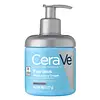 Key Ingredients
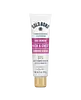
Benefits
Concerns
Ingredients Side-by-side
Salicylic Acid 2%
Masking








Water
Skin ConditioningUrea
Buffering



Glyceryl Stearate Se
Emulsifying

Cetearyl Alcohol
Emollient

Butyrospermum Parkii Butter
Skin Conditioning
Glycerin
Humectant
Niacinamide
Smoothing




Cetyl Alcohol
Emollient
PEG-100 Stearate
Limnanthes Alba Seed Oil
Skin Conditioning
Laureth-9
EmulsifyingGossypium Herbaceum Seed Oil
Skin Conditioning
Behentrimonium Methosulfate

C12-13 Alkyl Lactate
Emollient1,2-Hexanediol
Skin Conditioning
Dimethicone
Emollient
Ceramide NP
Skin Conditioning
Ceramide AP
Skin Conditioning
Ceramide EOP
Skin Conditioning
Carbomer
Emulsion StabilisingGlyceryl Stearate
Emollient
Sodium Hydroxide
BufferingSodium Lauroyl Lactylate
EmulsifyingCholesterol
Emollient
Tasmannia Lanceolata Fruit/Leaf Extract
Antioxidant
Phenoxyethanol
Preservative
Disodium EDTA
Tocopherol
Antioxidant
Hydroxyacetophenone
Antioxidant
Hydrogenated Olive Oil
Skin Conditioning
Hydrolyzed Hyaluronic Acid
Humectant
Citric Acid
Buffering
Phytosphingosine
Skin Conditioning
Xanthan Gum
EmulsifyingEthylhexylglycerin
Skin ConditioningSalicylic Acid 2%, Water, Urea, Glyceryl Stearate Se, Cetearyl Alcohol, Butyrospermum Parkii Butter, Glycerin, Niacinamide, Cetyl Alcohol, PEG-100 Stearate, Limnanthes Alba Seed Oil, Laureth-9, Gossypium Herbaceum Seed Oil, Behentrimonium Methosulfate, C12-13 Alkyl Lactate, 1,2-Hexanediol, Dimethicone, Ceramide NP, Ceramide AP, Ceramide EOP, Carbomer, Glyceryl Stearate, Sodium Hydroxide, Sodium Lauroyl Lactylate, Cholesterol, Tasmannia Lanceolata Fruit/Leaf Extract, Phenoxyethanol, Disodium EDTA, Tocopherol, Hydroxyacetophenone, Hydrogenated Olive Oil, Hydrolyzed Hyaluronic Acid, Citric Acid, Phytosphingosine, Xanthan Gum, Ethylhexylglycerin
Water
Skin ConditioningHydroxyethyl Urea
Humectant
Glycerin
Humectant
Dimethicone
Emollient
Hydroxyethyl Acrylate/Sodium Acryloyldimethyl Taurate Copolymer
Emulsion StabilisingSteareth-21
CleansingJojoba Esters
Emollient
Petrolatum
Emollient
Selaginella Lepidophylla Extract
EmollientAloe Barbadensis Leaf Juice
Skin Conditioning
Salicylic Acid
Masking
Stearyl Alcohol
Emollient
Glyceryl Stearate
Emollient
Isohexadecane
EmollientUbiquinone
Antioxidant
Whey Protein
Skin ConditioningJojoba Oil/Macadamia Seed Oil Esters
Skin Conditioning
Phytosteryl Macadamiate
Skin Conditioning
Bisabolol
Masking
Pyrus Malus Fruit Extract
Skin Conditioning
Citrullus Lanatus Fruit Extract
Skin Conditioning
Phytosterols
Skin Conditioning
Panthenol
Skin Conditioning
Tocopheryl Acetate
Antioxidant
Magnesium Ascorbyl Phosphate
Antioxidant
Sodium Lactate
BufferingMethyl Gluceth-20
Humectant
C12-15 Alkyl Benzoate
AntimicrobialSodium PCA
Humectant
Cetyl Alcohol
Emollient
Hydrolyzed Jojoba Esters
Skin Conditioning
Squalene
Emollient
Cetearyl Alcohol
Emollient
Stearamidopropyl Pg-Dimonium Chloride Phosphate
Lens Esculenta Fruit Extract
Skin ConditioningMethylparaben
Preservative

Ethylhexylglycerin
Skin ConditioningPropylene Glycol
Humectant
Tocopherol
Antioxidant
EDTA
Zingiber Officinale Root Extract
Masking
Potassium Hydroxide
BufferingPolysorbate 60
Emulsifying
Water, Hydroxyethyl Urea, Glycerin, Dimethicone, Hydroxyethyl Acrylate/Sodium Acryloyldimethyl Taurate Copolymer, Steareth-21, Jojoba Esters, Petrolatum, Selaginella Lepidophylla Extract, Aloe Barbadensis Leaf Juice, Salicylic Acid, Stearyl Alcohol, Glyceryl Stearate, Isohexadecane, Ubiquinone, Whey Protein, Jojoba Oil/Macadamia Seed Oil Esters, Phytosteryl Macadamiate, Bisabolol, Pyrus Malus Fruit Extract, Citrullus Lanatus Fruit Extract, Phytosterols, Panthenol, Tocopheryl Acetate, Magnesium Ascorbyl Phosphate, Sodium Lactate, Methyl Gluceth-20, C12-15 Alkyl Benzoate, Sodium PCA, Cetyl Alcohol, Hydrolyzed Jojoba Esters, Squalene, Cetearyl Alcohol, Stearamidopropyl Pg-Dimonium Chloride Phosphate, Lens Esculenta Fruit Extract, Methylparaben, Ethylhexylglycerin, Propylene Glycol, Tocopherol, EDTA, Zingiber Officinale Root Extract, Potassium Hydroxide, Polysorbate 60
Ingredients Explained
These ingredients are found in both products.
Ingredients higher up in an ingredient list are typically present in a larger amount.
Cetearyl alcohol is a mixture of two fatty alcohols: cetyl alcohol and stearyl alcohol. It is mainly used as an emulsifier. Emulsifiers help prevent the separation of oils and products. Due to its composition, it can also be used to thicken a product or help create foam.
Cetearyl alcohol is an emollient. Emollients help soothe and hydrate the skin by trapping moisture.
Studies show Cetearyl alcohol is non-toxic and non-irritating. The FDA allows products labeled "alcohol-free" to have fatty alcohols.
This ingredient is usually derived from plant oils such as palm, vegetable, or coconut oils. There is debate on whether this ingredient will cause acne.
Due to the fatty acid base, this ingredient may not be Malassezia folliculitis safe.
Learn more about Cetearyl AlcoholCetyl Alcohol is a fatty alcohol. Fatty Alcohols are most often used as an emollient or to thicken a product.
Its main roles are:
Though it has "alcohol" in the name, it is not related to denatured alcohol or ethyl alcohol.
The FDA allows products labeled "alcohol-free" to have fatty alcohols.
Learn more about Cetyl AlcoholDimethicone is a type of synthetic silicone created from natural materials such as quartz.
What it does:
Dimethicone comes in different viscosities:
Depending on the viscosity, dimethicone has different properties.
Ingredients lists don't always show which type is used, so we recommend reaching out to the brand if you have questions about the viscosity.
This ingredient is unlikely to cause irritation because it does not get absorbed into skin. However, people with silicone allergies should be careful about using this ingredient.
Note: Dimethicone may contribute to pilling. This is because it is not oil or water soluble, so pilling may occur when layered with products. When mixed with heavy oils in a formula, the outcome is also quite greasy.
Learn more about DimethiconeEthylhexylglycerin (we can't pronounce this either) is commonly used as a preservative and skin softener. It is derived from glyceryl.
You might see Ethylhexylglycerin often paired with other preservatives such as phenoxyethanol. Ethylhexylglycerin has been found to increase the effectiveness of these other preservatives.
Glycerin is already naturally found in your skin. It helps moisturize and protect your skin.
A study from 2016 found glycerin to be more effective as a humectant than AHAs and hyaluronic acid.
As a humectant, it helps the skin stay hydrated by pulling moisture to your skin. The low molecular weight of glycerin allows it to pull moisture into the deeper layers of your skin.
Hydrated skin improves your skin barrier; Your skin barrier helps protect against irritants and bacteria.
Glycerin has also been found to have antimicrobial and antiviral properties. Due to these properties, glycerin is often used in wound and burn treatments.
In cosmetics, glycerin is usually derived from plants such as soybean or palm. However, it can also be sourced from animals, such as tallow or animal fat.
This ingredient is organic, colorless, odorless, and non-toxic.
Glycerin is the name for this ingredient in American English. British English uses Glycerol/Glycerine.
Learn more about GlycerinGlyceryl Stearate is a mix of glycerin and stearic acid.
It is used to stabilize the mixing of water and oil ingredients. By preventing these ingredients from separating, it can help elongate shelf life. It can also help thicken the product's texture.
As an emollient, it helps soften skin and supports barrier-replenishing ingredients.
In cosmetics, Glyceryl Stearate is often made from vegetable oils or synthetically produced.
This ingredient may not be fungal-acne safe
Fun fact: The human body also creates Glyceryl Stearate naturally.
Learn more about Glyceryl StearateSalicylic Acid (also known as beta hydroxy acid or BHA) is a well-known ingredient for treating skin that struggles with acne and clogged pores. It exfoliates both the skin's surface and deep within the pores to help clear out buildup, control oil, and reduce inflammation.
Unlike AHAs (alpha hydroxy acids), salicylic acid is oil-soluble. This allows it to penetrate into pores which makes it especially effective for treating blackheads and preventing future breakouts.
Salicylic acid is also known for its soothing properties. It has a similar structure to aspirin and can calm inflamed or irritated skin, making it a good option for acne-prone skin that is also sensitive.
Concentrations of 0.5-2% are recognized by the U.S. FDA as an over-the-counter topical acne product.
It can cause irritation and/or dryness if one's skin already has a compromised moisture barrier, so it's best to focus on repairing that before introducing this ingredient into your routine.
While salicylic acid does not increase sun sensitivity, it’s still important to wear sunscreen daily to protect your skin.
If you are looking for the ingredient called BHA or Butylated Hydroxyanisole, click here.
Learn more about Salicylic AcidTocopherol (also known as Vitamin E) is a common antioxidant used to help protect the skin from free-radicals and strengthen the skin barrier. It's also fat soluble - this means our skin is great at absorbing it.
Vitamin E also helps keep your natural skin lipids healthy. Your lipid skin barrier naturally consists of lipids, ceramides, and fatty acids. Vitamin E offers extra protection for your skin’s lipid barrier, keeping your skin healthy and nourished.
Another benefit is a bit of UV protection. Vitamin E helps reduce the damage caused by UVB rays. (It should not replace your sunscreen). Combining it with Vitamin C can decrease sunburned cells and hyperpigmentation after UV exposure.
You might have noticed Vitamin E + C often paired together. This is because it is great at stabilizing Vitamin C. Using the two together helps increase the effectiveness of both ingredients.
There are often claims that Vitamin E can reduce/prevent scarring, but these claims haven't been confirmed by scientific research.
Learn more about TocopherolWater. It's the most common cosmetic ingredient of all. You'll usually see it at the top of ingredient lists, meaning that it makes up the largest part of the product.
So why is it so popular? Water most often acts as a solvent - this means that it helps dissolve other ingredients into the formulation.
You'll also recognize water as that liquid we all need to stay alive. If you see this, drink a glass of water. Stay hydrated!
Learn more about Water
