
What's inside
What's inside
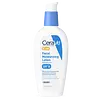 Key Ingredients
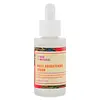
Benefits
Concerns
No concerns
Ingredients Side-by-side
Homosalate 10%
Skin Conditioning

Menthyl Anthranilate 5%
UV AbsorberEthylhexyl Methoxycinnamate 5%
UV Absorber
Octocrylene 2%
UV Absorber
Zinc Oxide 6.3%
Cosmetic Colorant
Water
Skin ConditioningNiacinamide
Smoothing









Glycerin
Humectant
Cetearyl Alcohol
Emollient



Behentrimonium Methosulfate

Dimethicone
Emollient
BHT
Antioxidant
Ceramide NP
Skin Conditioning
Ceramide AP
Skin Conditioning
Ceramide EOP
Skin Conditioning
Carbomer
Emulsion StabilisingTriethoxycaprylylsilane
Methylparaben
Preservative

Sodium Lauroyl Lactylate
EmulsifyingCholesterol
Emollient
Aluminum Starch Octenylsuccinate
Absorbent
Disodium EDTA
Propylparaben
Preservative
Hydroxyethylcellulose
Emulsion StabilisingHydrolyzed Hyaluronic Acid
Humectant
Phytosphingosine
Skin Conditioning
Xanthan Gum
EmulsifyingHomosalate 10%, Menthyl Anthranilate 5%, Ethylhexyl Methoxycinnamate 5%, Octocrylene 2%, Zinc Oxide 6.3%, Water, Niacinamide, Glycerin, Cetearyl Alcohol, Behentrimonium Methosulfate, Dimethicone, BHT, Ceramide NP, Ceramide AP, Ceramide EOP, Carbomer, Triethoxycaprylylsilane, Methylparaben, Sodium Lauroyl Lactylate, Cholesterol, Aluminum Starch Octenylsuccinate, Disodium EDTA, Propylparaben, Hydroxyethylcellulose, Hydrolyzed Hyaluronic Acid, Phytosphingosine, Xanthan Gum


Reviews
Ingredients Explained
These ingredients are found in both products.
Ingredients higher up in an ingredient list are typically present in a larger amount.
Glycerin is already naturally found in your skin. It helps moisturize and protect your skin.
A study from 2016 found glycerin to be more effective as a humectant than AHAs and hyaluronic acid.
As a humectant, it helps the skin stay hydrated by pulling moisture to your skin. The low molecular weight of glycerin allows it to pull moisture into the deeper layers of your skin.
Hydrated skin improves your skin barrier; Your skin barrier helps protect against irritants and bacteria.
Glycerin has also been found to have antimicrobial and antiviral properties. Due to these properties, glycerin is often used in wound and burn treatments.
In cosmetics, glycerin is usually derived from plants such as soybean or palm. However, it can also be sourced from animals, such as tallow or animal fat.
This ingredient is organic, colorless, odorless, and non-toxic.
Glycerin is the name for this ingredient in American English. British English uses Glycerol/Glycerine.
Learn more about GlycerinHydrolyzed Hyaluronic Acid is a form of hyaluronic acid. It is created by the hydrolysis of hyaluronic acid with a high molecular weight. Once created, Hydrolyzed Hyaluronic Acid has a low molecular weight.
Low molecular weight HA has been shown to hydrate and increase elasticity of the skin. Increasing elasticity is also associated with reduction of wrinkle depth.
One study found topical low molecular weight hyaluronic acid may be considered for the treatment of rosacea in the adult population. However, we always recommend speaking with a professional about your skin concerns.
Hyaluronic acids are a humectant. This means they draw moisture from the air. Hyaluronic acids help moisturize, soothe, and protect the skin.
Read more about other common forms of hyaluronic acid:
Learn more about Hydrolyzed Hyaluronic AcidWater. It's the most common cosmetic ingredient of all. You'll usually see it at the top of ingredient lists, meaning that it makes up the largest part of the product.
So why is it so popular? Water most often acts as a solvent - this means that it helps dissolve other ingredients into the formulation.
You'll also recognize water as that liquid we all need to stay alive. If you see this, drink a glass of water. Stay hydrated!
Learn more about Water
